

When someone experiences a sudden cardiac arrest, having a defibrillator available and ready to use can make a life-saving difference.
But buying or installing a defibrillator is only the beginning. Regular checks help make sure your device is in good working condition, its essential accessories are in date and its location and status are up to date with the emergency services.
Looking after a defibrillator doesn’t need to be complicated. With a simple checking routine and registration on The Circuit, you can help make sure your device is available when it’s needed.
Why is defibrillator maintenance important?
Defibrillators are designed to be low maintenance, but they still need regular checks.
These checks help you identify:
- Expired or damaged electrode pads.
- Batteries approaching the end of their life.
- Fault indicators or failed self-tests.
- Missing accessories or signs that the defibrillator has been used.
- Damage to the device, cabinet or surrounding equipment.
Always follow the manufacturer’s instructions for your particular defibrillator, as checking procedures vary between models.
Register your defibrillator on The Circuit
One of the most important steps in looking after a community defibrillator is registering it on The Circuit, the national defibrillator network.
The Circuit, managed by the British Heart Foundation with its partners, allows ambulance services to locate registered defibrillators when someone calls 999 following a cardiac arrest.
It also helps defibrillator Guardians manage their devices by providing reminders to carry out checks and notifications when pads are approaching their expiry date.
Once registered, remember to keep your details up to date and record your routine status checks.
Register your defibrillator on The Circuit
Your defibrillator maintenance checklist
A regular physical check helps you spot problems that a device’s automatic self-tests may not identify.
We recommend following the manufacturer’s guidance and establishing a routine for checking your defibrillator. Here are some things to look out for.
1. Check the status indicator
Look at the defibrillator’s status indicator, display or light.
Most models have an indicator to show whether the device has passed its self-tests. Check your user manual so you know what the normal status looks like for your model.
Look out for warning lights, error messages, beeping or anything that suggests a fault.
2. Check the electrode pads
Check that the electrode pads:
- Are within their expiry date.
- Remain sealed in their original packaging.
- Have no visible signs of damage.
Pads must be replaced if they have expired, been opened or used. Check the manufacturer’s instructions for replacement requirements.
It’s helpful to plan ahead and order replacement pads before the existing set expires.
3. Check the battery
Check the battery indicator and expiry date, where applicable.
Battery life varies between manufacturers and models. Some devices display a warning when the battery needs replacing, while others have a recommended replacement date.
Always follow the manufacturer’s instructions and make sure the correct replacement battery is used.
4. Check the accessories
Make sure the items supplied with your defibrillator are present and in good condition.
These may include:
- Scissors for removing clothing.
- A razor for preparing the chest if needed.
- A face shield for CPR.
- Gloves.
- A towel or wipes.
Replace anything that has been used, is missing or is no longer suitable. You can purchase replacement prep kits in our shop.
5. Check the cabinet and surroundings
If your defibrillator is stored in an external cabinet, check that the cabinet is secure, accessible and in good condition.
Make sure signage is visible and the route to the device is not obstructed.
If the cabinet has heating or other electrical features, follow the manufacturer’s guidance for checking these too.
What happens if your defibrillator has been used?
If your defibrillator has been taken to an emergency, it needs checking before it is made available again.
Used electrode pads must be replaced. You should also check the device, battery and accessories, following the manufacturer’s instructions.
If the defibrillator is registered on The Circuit, update its status so ambulance services know whether it is available.
If your device has a fault or needs attention, contact the manufacturer or supplier for advice.
How much does it cost to maintain a defibrillator?
The cost of maintaining a defibrillator depends on its make and model.
Electrode pads and batteries have different replacement intervals, so it’s worth checking the manufacturer’s guidance and planning for these costs in advance.
You should also consider keeping replacement pads available so that your defibrillator can be returned to use promptly if its existing pads expire or are used.
Used pads and batteries should be disposed of in accordance with the manufacturer’s instructions and local waste guidance. Batteries should not be placed in household waste.
Defibrillator pads and batteries from AEDdonate
At AEDdonate, we supply a range of replacement electrode pads, batteries and accessories to help communities look after their defibrillators.
If you’re unsure which replacement parts you need, check your defibrillator’s make and model before ordering, or get in touch with our team for help.
Every purchase supports our charitable work. 100% of the profit from AEDdonate goes back into supporting, providing and educating communities about defibrillators.
Explore our defibrillator pads and batteries or contact our team if you need help.
You might also be interested in…

Education
Sudden Cardiac Arrest: What Is It, What Are the Signs and How Can You Help?
12 November, 2026
Read the full story
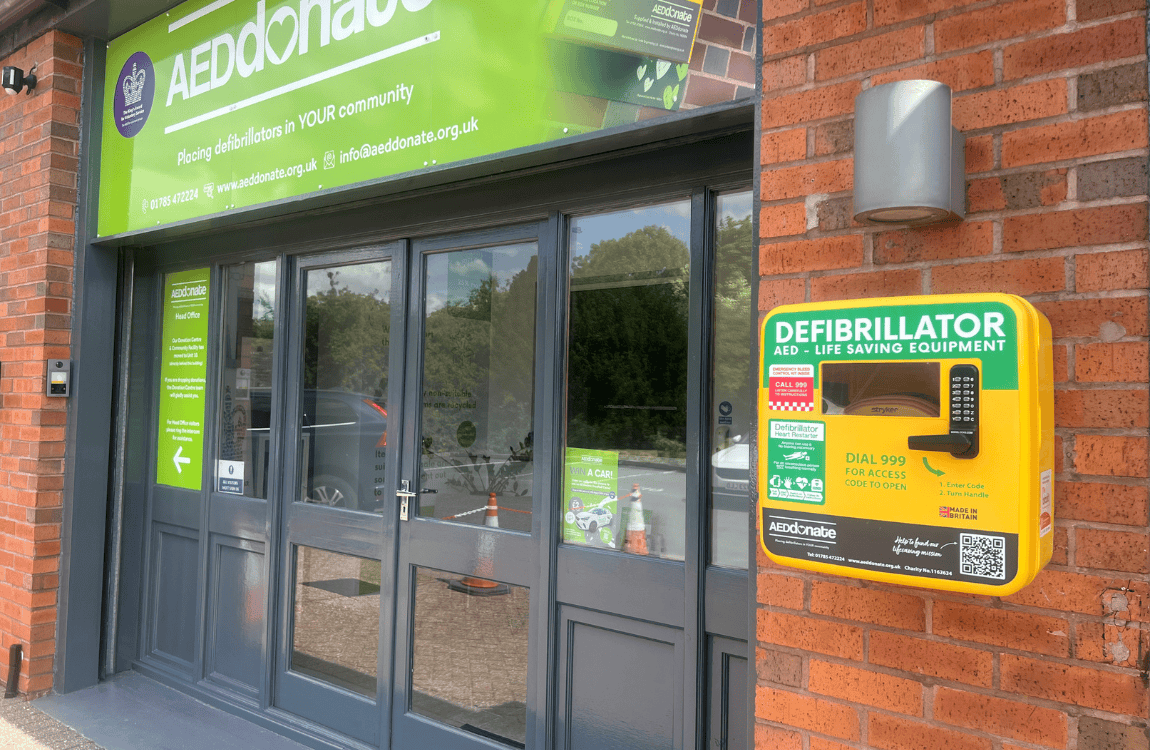
Education
The AEDdonate F.I.R.M® approach to defibrillators
3 August, 2026
Read the full story
News
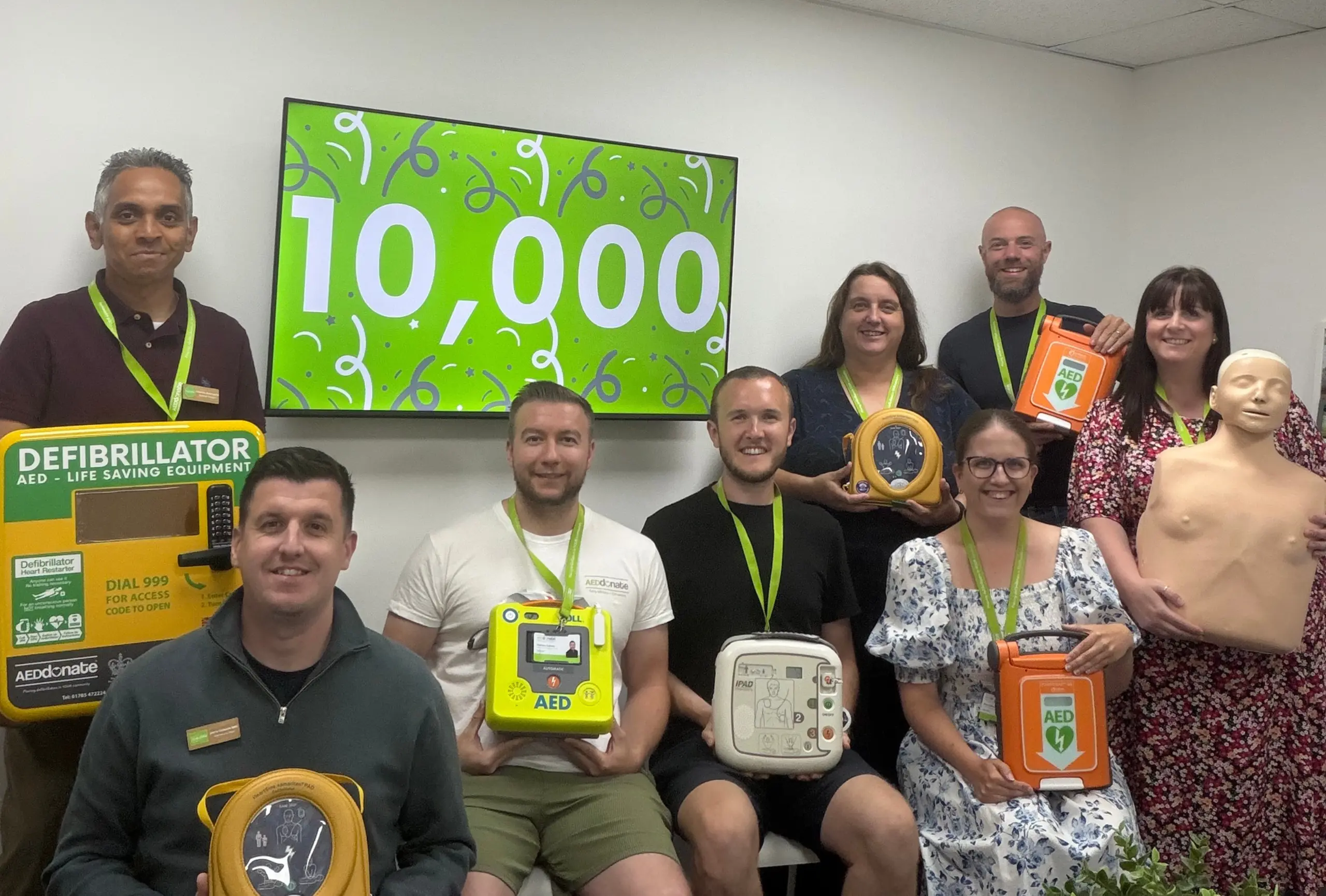
AEDdonate Celebrates Reaching 10,000 Locations Across the UK
31 July, 2026
Read the full story